Physical Address
304 North Cardinal St.
Dorchester Center, MA 02124
Physical Address
304 North Cardinal St.
Dorchester Center, MA 02124

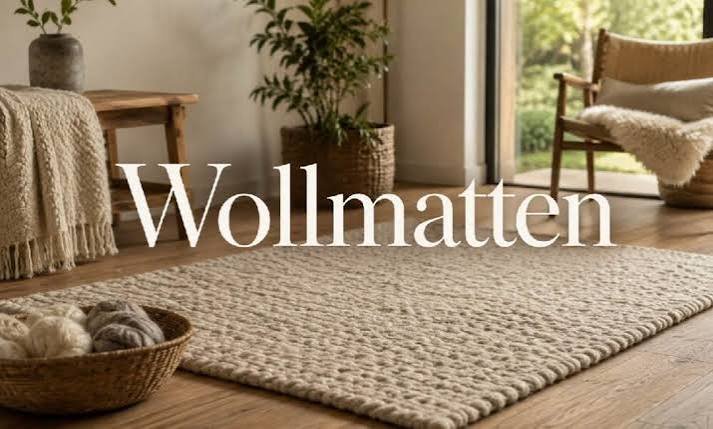
Wollmatten is the German word for wool mats, and these mats are made from sheep wool that has been carded, felted, or pressed into thick sheets. People use them in homes, gardens, and workshops. The wool comes from sheep raised for their fleece, and the fibers get cleaned, sorted, and pressed together without heavy chemical treatment. This keeps the natural wool fibers strong and flexible. Some mats use merino wool for extra softness, while others use virgin wool for durability. A few brands blend in cashmere blend fibers to add a touch of luxury. The result is a mat that feels soft underfoot but holds its shape for years. Homeowners like wollmatten because they solve a real problem: finding flooring, insulation, or garden covers that don’t rely on plastic or foam.
More people want natural interior materials in their homes today, and wool mats fit that demand well. Interior design trends now favor textures that feel warm and personal, rather than cold and synthetic. Wool rugs and wool throws made from felted wool add rich textures and vibrant colors to living spaces. Designers use wollmatten as an excellent foundation for layering rugs, blankets, and wall hangings. The material offers design flexibility because it can be cut, dyed, and shaped for many rooms.
Retailers such as Woolroom, IKEA wool throws, AllModern blankets, and Biederlack throws all sell wool-based textiles, showing how widespread this material has become in everyday homes.
Sheep wool has a fiber structure that no synthetic material fully copies. Each strand has tiny scales and natural crimp, which lets the fibers trap air pockets. These air pockets give wool its thermal qualities and its ability to trap air pockets for warmth. Natural wool fibers also contain lanolin, a wax that sheep produce to protect their coats from rain and dirt. This same wax helps wool mats resist stains and repel light moisture. Carded wool goes through a process where the fibers get combed straight, which improves airflow through the mat. This is why wollmatten feels breathable rather than heavy or stuffy, even when used as thick flooring underlay.
Merino wool comes from a specific sheep breed known for fine, soft fibers. Mats made with merino wool feel gentler against skin, which makes them a good pick for yoga spaces or bedroom rugs. Virgin wool, on the other hand, refers to wool that has never been used or recycled before. Virgin wool mats tend to be thicker and more resilient, so they work well for flooring underlay or garden mulch blankets. Buyers should pick merino for comfort-focused rooms and virgin wool for spaces that need heavier wear resistance.
Wool has a naturally high thermal rating, which means it slows down heat loss better than many synthetic options. Wollmatten works as natural insulation because the fibers create small pockets of trapped air throughout the mat. This trapped air acts as a barrier between indoor warmth and outdoor cold. In winter, a wool mat under flooring keeps rooms warmer without raising heating bills. In summer, the same fibers slow down heat entering the room, keeping spaces cooler. This bidirectional insulation is rare in natural materials and gives wool an edge over many manufactured products.
Wool mats do more than manage temperature. They also work as acoustic panels and support soundproofing in busy rooms. Sound waves get absorbed by the dense, textured surface of felted wool rather than bouncing off hard walls. This makes wollmatten a smart pick for home theatre soundproofing, music studios, and shared offices where noise reduction matters. Studio acoustic treatment often uses wool panels because they handle both thermal and acoustic insulation at once, saving space and cost. Builders sometimes install wall panels made from pressed wool in apartments to reduce noise between units.
| Feature | Wollmatten (Wool Mats) | Foam Panels | Synthetic Rugs |
|---|---|---|---|
| Thermal insulation | High | Medium | Low |
| Sound absorption | Strong | Medium | Weak |
| Biodegradable | Yes | No | No |
| Fire resistance | Naturally flame-resistant | Needs chemical treatment | Needs chemical treatment |
| Moisture handling | Absorbs without feeling wet | Traps moisture | Traps moisture |
Builders working on eco-homes and green renovations often turn to wool for insulation because it comes from a renewable source. Sheep grow new fleece every year, so wool supply does not deplete natural resources the way some manufactured insulation does. Wool insulation also avoids the itchy irritation linked to fiberglass, and it does not release harmful particles into the air during installation. Many building codes now recognize wool as a valid option for wall and roof insulation, especially in projects that aim for non-toxic materials and breathable materials throughout the structure.
Beyond insulation, wollmatten plays a decorative role in modern homes. Wool rugs and decorative wall hangings made from pressed wool add warmth and character to plain rooms. A mat placed near an entryway softens the space and gives visitors a gentle first impression of the home. Wool throws draped over sofas or chairs offer both comfort and a strong visual accent. Because wool takes dye well, buyers can choose from a wide range of color choices to match existing decor. This flexibility means wollmatten transform any space without requiring a full remodel.
Wool mats often sit beneath laminate flooring or hardwood boards as a protective layer. This flooring underlay use case cushions foot traffic and protects wooden flooring from small shifts in the subfloor. It also adds a layer of impact cushioning, which reduces noise when people walk across the room. Some manufacturers now offer pre-cut panels and rolled mats coverage, making it easier for installers to fit wollmatten into custom shapes for uneven or oddly sized rooms. Wall panels made the same way help offices and studios cut down on echo and improve comfort during long work hours.
Gardeners use wollmatten outdoors just as often as homeowners use it indoors. Garden mulch blankets made from wool help retain soil moisture while blocking weed growth. During cold months, wool mats serve as frost protection for delicate plants and young shrubs. The fibers trap warmth close to the soil, protecting roots from sudden temperature drops. Farmers have also started using agricultural wool mats to improve soil health enhancement, since decomposing wool slowly releases nitrogen back into the ground. This makes wollmatten a dual-purpose product that supports both plant protection and long-term soil quality.
Many buyers compare wool mats against foam, rubber, or plastic-based products before making a purchase. Synthetic solutions often cost less upfront, but they rely on synthetic additives that can off-gas chemicals into the home. Wool avoids this problem entirely, since it needs little to no chemical processing to perform well. Foam and rubber alternatives also trap moisture, which can lead to mold growth over time, while wool naturally wicks moisture away from its surface. For families focused on chemical-free living spaces, wollmatten is a stronger long-term choice than most synthetic mats on the market.
Buyers should check for GOTS certification and OEKO-TEX certification when shopping for wollmatten. GOTS certification confirms the wool was processed organically, without harsh chemical treatments. OEKO-TEX certification tests the finished product for harmful substances, giving buyers confidence that the mat is safe for homes with children or pets. These labels help shoppers avoid mats that claim to be natural but still contain hidden synthetic blends.
Wool mats need a gentle cleaning routine to stay soft and last for years. Regular cleaning starts with shaking the mat vigorously outdoors to remove loose dust and debris. For deeper cleaning, a low suction vacuum works best, since strong suction can pull fibers loose and damage the mat’s structure. Spot cleaning stains should always use a blot not rub technique, which lifts spills without spreading them further into the fibers. Cold water cleaning with mild soap protects the wool’s natural oils, while hot water can shrink the fibers permanently.
Lanolin preservation matters too. Harsh detergents strip this natural wax away, leaving the wool dry and less resistant to stains. Choosing a wool-safe soap keeps the fibers soft and helps the mat repel dirt for longer.
When wollmatten sits unused during warmer months, correct storage protects it from damage. Direct heat avoidance is important, since placing wool mats near radiators can cause radiator damage prevention issues and warp the fibers. A breathable cotton bag storage method works best, since plastic bags trap moisture and encourage mildew prevention problems. Rolling the mat with the wool side out helps prevent deep creases from forming during long storage periods. Off-season storage should always happen in a dry, ventilated space away from direct sunlight, which can fade the natural color of the wool over time.
Wollmatten costs more upfront than many synthetic mats, but the value shows over years of use. A well-made wool mat can last far longer than foam or rubber alternatives, since wool fibers resist compression and hold their shape through repeated use. The energy savings from natural insulation also add up, especially in homes that use wool for flooring underlay or wall panels. Buyers who care about eco-friendly materials, indoor air quality, and long-term durability tend to find wollmatten worth the higher price tag. For gardens, offices, and living rooms alike, wool mats offer a rare mix of practical functionality and aesthetic appeal that few other materials match.
Choosing wollmatten means choosing a material that works quietly in the background, whether it sits under a rug, wraps around a sofa, or protects a garden bed through winter. The mat adjusts to its setting, keeping rooms warmer, gardens healthier, and homes quieter without demanding much upkeep. For anyone building a home around natural comfort and sustainable choices, wool mats remain one of the most dependable options available today.
1. What is wollmatten made from?
Wollmatten is made from sheep wool, usually carded or felted into thick mats. Some versions blend in merino wool or cashmere for added softness.
2. Can wollmatten be used outdoors?
Yes, wool mats work well as garden mulch blankets and frost protection for plants during cold seasons.
3. Is wollmatten safe for allergies?
Wool is naturally hypoallergenic and resists dust buildup better than many synthetic rugs, making it a solid choice for sensitive households.
4. How often should I clean my wool mat?
Shake it outdoors weekly and vacuum on low suction monthly. Spot clean stains right away using cold water and mild soap.
5. Does wollmatten help with soundproofing?
Yes, wool mats absorb sound well and are often used as acoustic panels in studios, offices, and home theatres.