Physical Address
304 North Cardinal St.
Dorchester Center, MA 02124
Physical Address
304 North Cardinal St.
Dorchester Center, MA 02124

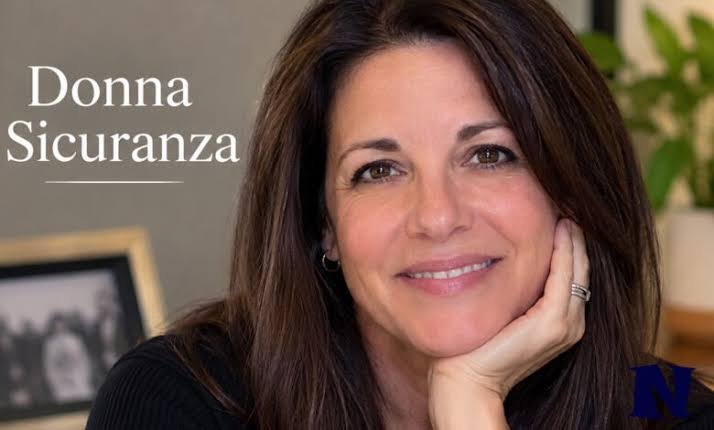
A cat in a Connecticut parking lot may look like a small story. For Donna Sicuranza, it is the whole job. She leads Tait’s Every Animal Matters, a nonprofit in Westbrook, Connecticut. Her team drives a mobile veterinary clinic from town to town. The clinic offers low-cost spay and neuter care for cats. TEAM says it has helped more than 220,000 cats since 1997. This article explains who she is and what her work means. It also shows which details are public and which are not.
Donna Sicuranza is a nonprofit executive and animal welfare advocate in Connecticut. She works as executive director of Tait’s Every Animal Matters, also called TEAM. GuideStar lists her as the principal officer of the charity. Patch also named her as the program’s executive director in a 2021 report. Her work centers on cats and on access to veterinary care.
She is not a celebrity. Her public record is about her job, not her private life. That makes her a clear example of an animal welfare leader who works outside the spotlight. Most of what is known comes from news reports, charity records, and TEAM’s own letters to donors.
The table below puts the main facts in one place. Details that are not public are marked as such.
| Detail | Information |
|---|---|
| Name | Donna Sicuranza |
| Also listed as | Donna Sicuranza Marconi (TEAM donor letter) |
| Role | Executive director, Tait’s Every Animal Matters |
| Organization | Tait’s Every Animal Matters (TEAM), Westbrook, Connecticut |
| Charity ruling year | 1993 (GuideStar) |
| Main program | TEAM Mobile Feline Spay/Neuter Clinic, running since 1997 |
| Cats helped | More than 220,000, per TEAM |
| Age | Not public |
| Education | Not confirmed |
| Family | Not public |
| Net worth | Not confirmed |
The charity’s legal name is Vernon A Tait All Animal Adoption Preservation & Rescue Fund Inc. TEAM is the name most people know. GuideStar lists a 1993 ruling year for the group. Its stated mission is to help pay for medical care for cats, especially spaying and neutering. The group works as a tax-exempt nonprofit organization with a post office box in Westbrook.
TEAM relies on donations. Patch reported that gifts help keep prices low. The group also invites supporters to vote for it in local bank giving programs. In one such letter, TEAM described itself as a statewide service. That fits the mission-driven work of a small animal charity. It also explains why donor communication takes up so much of the leader’s time.
The TEAM mobile clinic began in 1997. Patch called it a veterinary hospital on wheels. The green-and-white vehicle looks like a bus, but only the chassis comes from one. Inside, staff set up a waiting area and an operating area. Cat owners then bring their pets to a parking lot near them.
The unit visits many Connecticut towns each year. Patch described stops at a Tractor Supply store in Vernon and a shopping plaza in Newington. Demand runs high, so owners must book well ahead. This model brings accessible veterinary services to people who might not travel far. It also keeps costs lower than a full clinic building would.
The clinic started as a new idea in 1997. By April 2021, Patch reported that more than 200,000 cats had received surgery and vaccines on board. A later TEAM letter cited more than 220,000 cats. That is steady growth over more than twenty years. Each clinic day averages about 30 cats, according to Patch.
An executive director wears many hats. She sets the plan, raises money, and speaks for the group. At TEAM, that means fundraising, donor communication, and community outreach. It also means staff scheduling and volunteer coordination. These tasks keep the clinic on the road. Most of them happen out of public view.
She also speaks directly to the public. In her Patch interview, she explained the mission in plain terms. She said that spaying and neutering is “the most important service that can be offered.” She also said TEAM does not want to replace regular vets. Instead, she urges owners to use them for everyday needs. TEAM simply offers lower-cost care for people who struggle with fees.
A small story shows her approach. Patch reported that she once took in two kittens from an abandoned litter during a clinic visit. That moment reflects the problem TEAM exists to prevent. Unwanted litters lead to abandoned kittens. Her work aims to stop that cycle before it starts.
A visit to the clinic follows a simple routine. Patch described the TEAM package this way:
Cats usually return for a booster shot after the first visit. The unit also offers a few minor services. Staff are licensed veterinary professionals. In 2021, Patch named Dr. Arthur Heller as the primary veterinarian. He commuted most days from Keene, New Hampshire. Both domestic and feral cats can come in. So the clinic helps pet owners and community caretakers alike.
TEAM follows a prevention-focused model. It does not wait for a crisis. It offers sterilization and vaccines before problems grow. Preventive veterinary care costs less than emergency care. It also protects cat health over the long term.
Cost and distance block many families from basic care. A mobile clinic cuts both barriers. Low fees help low-income cat owners. Local stops save travel time. As a result, more cats receive routine care. Fewer unwanted litters also mean fewer kittens at animal shelters and rescue organizations. That reduces shelter intake and eases pressure on volunteers. In short, one surgery can prevent many future problems.
Cats breed fast. One unspayed female can have several litters a year. Left alone, a few cats can become a large colony. That is how cat overpopulation grows. Shelters then fill up, and many animals suffer.
Trap-neuter-return, often called TNR, is one answer. Caretakers trap free-roaming cats. A vet sterilizes and vaccinates each cat. The cat then returns to its outdoor home. This approach manages community cats in a humane way. TEAM’s clinic welcomes feral cats, so caretakers of barn cats and stray cats can use it. Sterilization is the main tool for population control. That is why TEAM puts surgery at the center of its work.
Public sources do not confirm her early life or education. No reliable record lists her birthplace, school, or degrees. Searches for Donna Sicuranza education return guesses and little proof. A careful writer should say so plainly.
Some profiles describe a background in communications. They mention writing, editing, and public relations. TEAM has not published a career history to confirm this. It would fit a role built on letters, interviews, and donor outreach. Still, readers should treat it as unconfirmed. What the record does show is long service. She has led TEAM’s work through the mobile clinic’s first twenty-plus years.
Some online profiles link her name with Dr. John A. Caltabiano. They say TEAM’s own newsletter credits the mobile clinic to the two of them together. This article could not check that newsletter directly. Readers should treat the claim as unconfirmed. It describes a working link, not a personal one.
Some people ask whether the two were married. No reliable public source says so. Names alone do not prove a marriage. Guessing about private relationships also harms real people. The safe answer is simple. The public record shows no marriage between them.
TEAM’s donor letter carries the name Donna Sicuranza Marconi. Other records and profiles use Donna J. Sicuranza. These variations are common in charity records. They also cause identity confusion online. A reader may think two people exist when only one is meant.
Another name, Donna Marie Sicuranza, appears in some searches. Some sites treat her as a different person. The best check is context. If a page mentions TEAM, Westbrook, and cat welfare, it points to the TEAM leader. If it does not, be careful. Clear identity confusion online is the main reason this article lists the name variations.
No reliable source gives her age, birth date, parents, spouse, or children. Searches for Donna Sicuranza husband, age, or family bring weak results. Many come from sites that copy each other. None offers proof. This article does not repeat those claims.
That silence deserves respect. She leads a charity, but she did not choose a public life. Her work is public. Her home life is not. Guarded personal information is normal for most nonprofit leaders. If she shares more details one day, they will appear on TEAM’s own pages or in direct interviews.
No verified net worth exists for Donna Sicuranza. Sites that print a figure rarely show a source. Treat them as guesses. Charity leaders do not always earn large sums. Pay at a nonprofit also differs from personal wealth.
Charities file IRS Form 990 reports, which can list executive pay. GuideStar shows these filings to signed-in users. This article does not guess at numbers. On social media, TEAM runs its own website at everyanimalmatters.org and a Facebook page for its program. No confirmed personal social media account for her appears in the public record.
A quick check helps separate fact from rumor.
| Topic | Status |
|---|---|
| Executive director of TEAM | Confirmed by GuideStar and Patch |
| Charity based in Westbrook, Connecticut | Confirmed |
| Mobile clinic running since 1997 | Confirmed by Patch and TEAM |
| More than 220,000 cats helped | Stated by TEAM |
| Name variation: Donna Sicuranza Marconi | Seen in a TEAM donor letter |
| Age, birthplace, education | Not confirmed |
| Husband or family details | Not public |
| Net worth | Not confirmed |
| Link to Dr. John A. Caltabiano | Reported by some profiles, not verified |
Her story is one of steady service. TEAM has run the mobile clinic since 1997. It still brings low-cost care to Connecticut towns. The long-term community impact shows in the numbers. Hundreds of thousands of cats have received surgery and vaccines.
Her work also shows what a small nonprofit can do. It did not build a large hospital. It built a truck, a team, and a simple promise. Because of that, a cat owner with little money can still get care. That is long-term community impact at the level of one parking lot, one cat, and one family. It also shows why accessible, affordable pet care deserves attention.
Donna Sicuranza leads a Connecticut charity that treats a hard problem with a simple tool. TEAM’s mobile clinic brings spay and neuter surgery, vaccines, and basic care to cats across the state. Her role covers fundraising, community outreach, and daily leadership. The record shows long service and clear focus. It also shows how much remains private.
Her age, education, family, and net worth are not confirmed. This article leaves those blanks open instead of filling them with guesses. What readers can trust is her work. It is the work of a dedicated animal welfare leader who chose prevention over crisis response. For cat owners, rescue groups, and caretakers in Connecticut, that choice has made a real difference.
Donna Sicuranza is the executive director of Tait’s Every Animal Matters (TEAM), a nonprofit in Westbrook, Connecticut. She leads the group’s mobile clinic for cats.
She is known for her work with the TEAM Mobile Feline Spay/Neuter Clinic. The clinic has offered low-cost spay and neuter care and vaccines across Connecticut since 1997.
No reliable public source says they were married. Some profiles link their names through TEAM’s clinic work, but that claim is unverified. Her family details are not public.
TEAM says it has spayed or neutered and vaccinated more than 220,000 cats since 1997. Patch reported more than 200,000 in 2021.
The charity is based in Westbrook, Connecticut. Its mobile clinic travels to towns across the state.