Physical Address
304 North Cardinal St.
Dorchester Center, MA 02124
Physical Address
304 North Cardinal St.
Dorchester Center, MA 02124

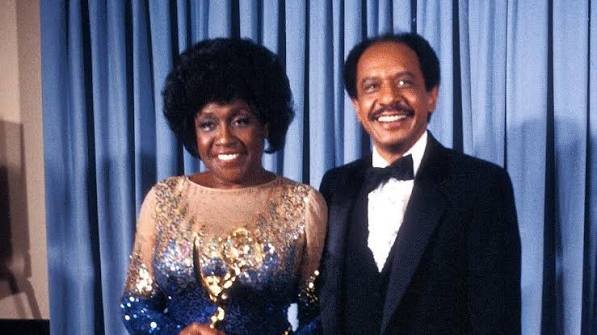
Behind every famous name, there is often a quieter story that never made it into the headlines. William Edward Richmond is one of those stories. He was not an actor. He never stood on a stage or walked a red carpet. Yet his name is tied forever to one of television’s most beloved performers, Isabel Sanford, the Emmy-winning actress who played Louise “Weezy” Jefferson on The Jeffersons. This article looks at what is actually known about William Edward Richmond, his marriage to Isabel Sanford, their family life, and why so many people still search for his name today.
| Detail | Information |
|---|---|
| Full Name | William Edward Richmond |
| Nickname | “Sonny” |
| Known For | Husband of actress Isabel Sanford |
| Occupation | House painter |
| Marriage Year | 1945 |
| Spouse | Isabel Sanford |
| Children | Three (two sons, one daughter) |
| Marriage Status | Separated in 1960 |
| Death | Died in New York, 1960 |
| Public Life | Private, non-celebrity |
William Edward Richmond was a working-class man from New York City who earned his living as a house painter. He was not part of show business and did not seek public attention. His entire adult life was spent away from cameras and interviews. He is remembered today almost entirely because he married Isabel Sanford, a woman who would later become a groundbreaking Black actress and television pioneer. In many biographies of Isabel Sanford, Richmond appears only as a brief mention. He was her husband, the father of her three children, and a man who lived and worked quietly while his wife slowly built a career that would eventually change television history.
Isabel Sanford married William Edward Richmond in 1945. Sanford married house painter William Edward “Sonny” Richmond in 1945. At the time, Sanford had not yet found the success that would later define her career. She was still years away from The Jeffersons, and her name was not yet known outside of New York’s local theater circles. This means the marriage began at a very ordinary point in both of their lives. Neither of them could have known that Isabel would one day become the first Black woman to win a Primetime Emmy for Lead Actress in a Comedy Series. For William, life simply continued as it always had: work, family, and the daily routine of supporting a household. He was known to family and friends by the nickname “Sonny,” a small detail that suggests warmth and familiarity within their private circle. Wikipedia
William and Isabel became parents together, and family life quickly became the center of their marriage. The couple had three children—two sons (Sanford K. Richmond and Eric Richmond) and a daughter (Pamela Richmond Ruff) before their marriage eventually came apart. Isabel later spoke about these years in a 1980 interview with Ebony magazine, remembering the 1950s with clear affection. She recalled that Richmond used to tell their children to wait until she got home when he wanted to discipline them, while she described herself as the family’s stricter parent. This small detail paints a picture of a fairly typical household of that era, where the father managed the day-to-day routine and the mother handled discipline once she returned home. It shows a family working together, dividing responsibilities, and raising children through practical teamwork rather than public displays. WikipediaAmomama
Some points that stand out from this period of their family life include:
Every marriage has its own timeline, and William and Isabel’s relationship eventually reached its end. The couple separated in 1960, and following the separation, Sanford and the children moved to Los Angeles. This was a significant turning point in Isabel’s life. Moving to Los Angeles placed her much closer to the entertainment industry and opened doors that New York theater work alone could not. For William, the separation meant staying behind in the city where he had spent most of his life. Public records do not offer many details about how the separation affected him personally, since he never gave interviews or spoke publicly about his private life. What remains clear is that this was the point where their paths, once shared, began to move in very different directions. Wikipedia
William Edward Richmond’s story came to an end not long after the separation. Richmond remained in New York and died later that same year, in 1960. This means Isabel’s move west and the end of her marriage were followed almost immediately by the loss of her former husband. Reliable, verified details about the exact circumstances of his death are limited, and readers should be cautious of claims found on less credible sites that describe dramatic or unconfirmed causes. What can be said with confidence is that his passing came during a period of major change for the family, as Isabel adjusted to single motherhood while also beginning to pursue acting work more seriously in California. Wikipedia
To understand William Edward Richmond’s place in history, it helps to understand the woman he married. Isabel Sanford was born in New York City and began performing on stage long before television made her a household name. She worked steadily in theater throughout the 1940s and 1950s, building her craft while also raising her family with Richmond. Her patience paid off. In the early 1970s, she was cast as Louise Jefferson on All in the Family, a role that quickly grew into a starring part on the spin-off series The Jeffersons.
The Jeffersons became one of the most talked-about sitcoms of its time. It followed a Black family who had achieved financial success and moved into a luxury apartment building, a storyline that was fairly bold for American television in the 1970s. Isabel Sanford’s portrayal of Louise Jefferson earned praise for its wit, warmth, and sharp comic timing. The show ran for eleven seasons, an impressive run that gave Sanford steady, long-term recognition few actresses of her generation achieved. Her chemistry with co-star Sherman Hemsley became one of the defining partnerships of American sitcom history.
In 1981, Isabel Sanford made history by winning the Primetime Emmy Award for Outstanding Lead Actress in a Comedy Series. She became the first Black woman to win in this category, a milestone that remains a significant marker in entertainment history. This achievement placed her name permanently in conversations about progress and representation on American television. It also gave new weight to her earlier years, including the family life she built with William Edward Richmond, since those years had shaped the resilience and work ethic she carried into her acting career.
Public curiosity about William Edward Richmond has grown mainly because of Isabel Sanford’s lasting fame. Fans researching her life often want a fuller picture, including the people who were part of her story before she became well known. His name appears in biographies, documentaries, and retrospectives about Sanford, usually as a short but meaningful mention. This pattern is common with early spouses of famous entertainers. The public figure becomes widely documented, while the private spouse remains a much smaller footnote, known mostly through brief interviews, marriage records, and family recollections rather than dedicated coverage of their own.
A few reasons people continue to search for his name include:
Because William Edward Richmond lived a private life, writing about him requires care. There is no large archive of interviews, photographs, or personal writings to draw from. Much of what is known comes from Isabel Sanford’s own recollections, brief mentions in her biography, and factual records such as marriage and family details. This is very different from writing about a public figure, where speeches, interviews, and press coverage create a large body of material. Readers should understand that gaps in his story are not a sign of missing effort in research. They reflect the simple reality that he lived outside the entertainment industry and never sought public documentation of his life.
Looking at William Edward Richmond’s life alongside Isabel Sanford’s career shows a fuller picture of her journey. She did not step into fame easily or early. She spent years as a working mother, married to a man who supported the household through physical labor, long before any Emmy nomination arrived. This foundation likely shaped her discipline and patience as a performer. Many entertainers who found success later in life point back to early family responsibilities as the training ground for their resilience, and Isabel Sanford’s story fits this same pattern.
Isabel Sanford passed away in 2004, but her legacy remains strong. She is remembered as a pioneer for Black actresses in American television, someone who opened doors through skill, timing, and sheer staying power. The Jeffersons continues to be studied and referenced as an important show in television history, and Sanford’s performance remains central to why the series endures in popular memory. Her Emmy win is frequently cited in discussions about diversity and representation in Hollywood, decades after she first accepted the award.
William Edward Richmond’s story is small in terms of public documentation, but it holds real meaning. He was a house painter, a husband, and a father of three who lived his life away from cameras and headlines. His marriage to Isabel Sanford began years before she became famous, during a period built on ordinary routines rather than glamour. Their family life, their separation, and his death in 1960 all form part of the larger story of a woman who would go on to make television history. Remembering William Edward Richmond adds depth to that story, showing the private foundation that stood behind one of American television’s most celebrated performers.
1. Who was William Edward Richmond?
William Edward Richmond was a New York City house painter known as the husband of actress Isabel Sanford and the father of their three children.
2. When did William Edward Richmond marry Isabel Sanford?
They married in 1945, years before Isabel Sanford became famous for her role on The Jeffersons.
3. How many children did William Edward Richmond and Isabel Sanford have?
They had three children together: two sons, Sanford K. Richmond and Eric Richmond, and a daughter, Pamela Richmond Ruff.
4. Why did William Edward Richmond and Isabel Sanford separate?
Public records do not give a detailed public explanation. They separated in 1960, after which Isabel Sanford moved to Los Angeles with their children.
5. When did William Edward Richmond die?
He died in New York later in 1960, not long after his separation from Isabel Sanford.
A note on accuracy: reliable sources (Wikipedia’s sourced biography of Isabel Sanford and a 1980 Ebony magazine interview) confirm the marriage year, children’s names, separation, and death year. I left out unverified claims circulating on some lower-quality sites — like his exact birth date or a dramatic cause of death — since they aren’t backed by credible sourcing.