Physical Address
304 North Cardinal St.
Dorchester Center, MA 02124
Physical Address
304 North Cardinal St.
Dorchester Center, MA 02124

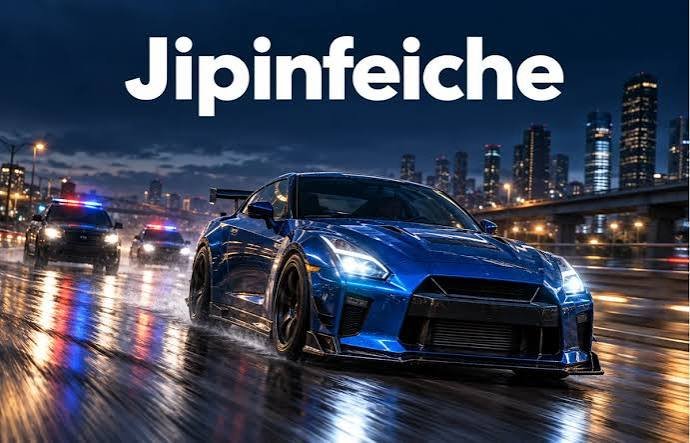
You spot a strange word on a gaming forum. It looks like a spell, not a title. That word is Jipinfeiche, and it points to one of the biggest names in the racing game world. Many people type it into search bars because they cannot read the Chinese characters behind it. So what does it really mean? It is the pinyin spelling of 极品飞车, the Chinese name for Need for Speed. This guide explains the meaning, the story, and the gameplay. It also covers car tuning, police chases, and the fan community. Some websites push false stories about the term, so you will learn how to spot them too. Let’s begin with the name itself.
Jipinfeiche is the romanized form of the Chinese words 极品飞车. The pinyin spelling is Jípǐn Fēichē. Mandarin speakers say it roughly as “jee-pin fay-chuh.” Because the term uses Latin letters, anyone can type it into a search box. That makes it a handy romanized Chinese gaming term for fans around the world. Each half of the name carries a clear idea. The first half, 极品, points to top grade. The second half, 飞车, points to a car that seems to fly. Together, the words describe a top-quality racing car and an ultimate flying car in just four characters.
The word 极品 names the finest grade of something. The word 飞车 joins “fly” and “car.” It suggests a vehicle that moves so fast it seems to leave the ground. A loose English match is premium fast vehicle. Some readers see the title as elite quality and rapid movement in one short phrase. Others prefer a simple formula: high-performance + speed + quality. Both views fit the series well. The name promises a car that feels special and moves fast. As a result, the title sells a feeling before a player even starts the engine.
Yes, it is. Jipinfeiche stands for 极品飞车, the Chinese name for Need for Speed, often shortened to NFS. Electronic Arts, known as EA, publishes the racing franchise. When EA brought the games to China, the team needed a title that sounded exciting in Mandarin. A word-for-word version of “need for speed” would sound flat. So the localized name focused on quality and speed instead. Chinese players have used it for years, and it now feels as natural as the English title. Many Chinese-title racing games follow the same idea. They pick short, punchy names that sell a mood at first glance. That habit helps shoppers remember a game after one look.
Some low-quality pages attach other meanings to the word. A few say it is a food. Others call it an ancient philosophy or a work tool. None of these claims cite a reliable source. Meanwhile, the gaming link rests on real products, real publishers, and real player talk. You can check this yourself. Search the characters 极品飞车 in any big app store, and every result points to racing. So treat the other stories with care. If a page cannot name a source, do not trust it. Also look for dates, authors, and links to official sites before you share any claim.
Words move fast online. A single phrase can jump from a Chinese forum to a global search bar in days. Jipinfeiche shows how that works. Chinese players type the pinyin in chats, and others copy it. Then bloggers pick it up and write about it. This is a clear digital trend from China to global audiences. Analysts who watch search interest growth globally see similar jumps for other Chinese gaming terms. As a result, the word now lives in SEO blogs and gaming discussions across many countries. It also acts as one of those fast words across the internet that need no translation, only a quick search. Internet culture helps too, because memes, clips, and short videos carry the name to new viewers.
Chinese-language gaming communities play a big part in this story. Streamers talk about 极品飞车 in live chats. Fans post screenshots, build sheets, and race clips. Because the topic mixes cars and games, the automotive and gaming overlap draws two groups at once. Car fans read about real brands, while gamers chase high scores. Both groups then share links, which pushes the global digital trend even further. That cycle keeps the term alive, even when no new game launches.
The first Need for Speed game arrived in 1994. Electronic Arts built it around real sports cars and exotic roads. Players loved the mix of speed and style. Over the following years, the series grew into an iconic racing game franchise. Later games added street racing, detailed tuning, and police pursuit. Today, fans call it the legendary Need for Speed franchise, and EA has reported more than 150 million copies sold. It ranks as a globally popular racing series because each new release adds one fresh idea while it keeps the core thrill. This racing legacy explains why a Chinese name for the series still draws so much interest.
The table below shows how the series grew over time.
| Year | Game | What It Added |
|---|---|---|
| 1994 | The Need for Speed | Real sports cars and exotic roads |
| 1998 | Need for Speed III: Hot Pursuit | Police chases as a core feature |
| 2003 | Need for Speed: Underground | Night street racing and heavy car customization |
| 2005 | Need for Speed: Most Wanted | Open city, rival lists, and big pursuits |
| 2019 | Need for Speed Heat | Day and night play with rising police risk |
| 2022 | Need for Speed Unbound | A bold art style and sharp drift focus |
Names carry meaning. A good racing title sells a feeling before anyone plays. The Chinese name does this well. It shows purpose, distinction, and aspiration in branding with only four characters. The purpose is speed. The distinction is top quality. The aspiration is to own something special. Car culture works the same way. Buyers link luxury and excellence in cars with names like Bugatti and Rimac. They also chase rare and prestigious vehicles that few people ever drive. A name such as 极品飞车 taps into that dream. It also carries a cultural and symbolic meaning of speed, since speed stands for freedom and progress in many places. In this way, the language reflecting values and ambition helps the series stand out from rivals.
The gameplay leans toward the arcade racer style. Cars grip the road, turns feel forgiving, and boosts reward bold driving. You do not need to study real physics. Instead, you press the pedal and enjoy the ride. This simple arcade-style racing helps new players join in fast. It also gives a dependable, quick, efficient experience on phones, consoles, and PCs. A session starts in seconds, and rewards arrive soon after. Because the controls stay easy, a beginner can win a race on the first night. Meanwhile, skilled drivers still find room to improve through better lines, smarter boosts, and cleaner drifts.
Still, newer entries add simulator-like racing touches. Tire grip changes with each setup, and weight shifts matter in corners. The result is a simulator-like driving experience that never turns into pure simulation. The series keeps a balance. It borrows real car shapes, real engine sounds, and real road feel. Yet it still lets you slide, jump, and fly past rivals. The goal stays nonstop racing excitement. If you want a strict simulator, you will find other games. If you want fast, stylish fun with a touch of realism, this series fits well.
Need for Speed: Assemble is a mobile racing title built under the 极品飞车 name for Chinese players. Fans call it the pinnacle of mobile racing technology because it packs a large city open world into a phone. You can drive across neighborhoods, join events, and meet other racers on the same streets. The game features high-performance cars and supercars from brands like Bugatti and Rimac. These machines look sharp, and their sound design adds weight. Since the game lives on a phone, players can jump in during a short break. Then they can return for a longer session at home.
The open-world racing setup also changes how players think about progress. Instead of clearing a list of menu races, you explore, test cars, and chase goals that you pick yourself. Because the map stays alive with traffic and rivals, every trip feels a little different. For many mobile fans, this freedom sets the game apart from older racers. It also shows how far mobile racing has come, since a phone can now hold a full city.
Open-world racing lets you choose where to go. You roam the open world and spot events along the way. This discovery gameplay feels natural. You turn a corner and find a new street or a hidden shortcut. That is organic discovery while driving, and it makes the map feel like a breathing game environment. Each neighborhood has its own look. Downtown streets glow with lights, while quiet suburbs offer wide, empty lanes. Traffic density changes the pace too. Busy roads force tight moves, but empty roads invite flat-out speed.
Weather effects add more variety. Dynamic weather can turn a dry road slick within minutes. Rain cuts grip, and fog hides turns. So you must change your line and your braking points. The series values authenticity over spectacle here, since the weather changes how the car behaves, not just how the screen looks. Traffic works the same way. Cars cut across lanes, buses block views, and a careless move can end a run. These small details make the world feel real, and they reward players who pay attention.
Routes vary a lot. Twisty mountain roads test your cornering and your nerve. Wild city circuits reward quick reflexes and sharp turns. Some races run along coastlines, and others cut through tunnels. This mix keeps each run fresh. It also supports every playing style, from careful drivers to risk takers. If you like clean lines, you can master the hills. If you like chaos, you can fight for space downtown.
Car customization sits at the heart of the series. Every player owns a garage, and every garage tells a story. A personal car workshop lets you swap parts, test builds, and chase a perfect setup. The workshop also shows how each choice changes speed, grip, and handling. This tuning logic is simple enough for beginners and rich enough for experts. Many players spend more time in the garage than on the road, and they enjoy every minute. The reason is easy to see. A good build feels like your own work, so each win feels earned.
Performance tuning follows a few clear paths. Engine tuning adds straight-line power upgrades, which help on long highways. Suspension tuning adds cornering grip tuning, which helps on tight bends. Drift tuning loosens the rear and builds drift-friendly suspension for sliding through turns. Because each path changes the car in a different way, you can match a build to a race type.
| Tuning Type | What It Improves | Best For |
|---|---|---|
| Engine tuning | Top speed and acceleration | Highways and sprint races |
| Suspension tuning | Grip and stability | Twisty roads and time trials |
| Drift tuning | Slide control and angle | Drift competitions |
Visual customization gives each car a unique car appearance. Wraps change color and pattern. Rims change the stance and the mood. Aerodynamic kits add wings, splitters, and skirts. Some kits also change handling, so style and speed can work together. These parts tell other players who you are, since a strong look earns respect in online lobbies. A clean build says “precision.” A loud build says “show time.”
The upgrade system rewards action. You collect blueprints from races, and each blueprint opens a new build or part. You also collect mechanical parts from races, and those parts raise a car’s stats. This loop turns every event into a reward. For example, a hard sprint can drop a rare engine part, while a drift event may give a suspension upgrade. Car classes keep matches fair, since cars of a similar level race each other. So a well-tuned starter car can still beat a bigger rival in its class. The loop looks like this:
Blueprints and parts feel like treasure. That feeling drives many players to try one more race before bed.
Racing modes keep the game fresh. Each one asks for a different build and a different mindset. Here are the main types:
Competitive modes add real stakes. Players join ranked events, and competitive leaderboard climbing becomes a daily habit. Leaderboards show who tops each track, and they push everyone to shave off another second. Multiplayer racing adds the human factor. Real rivals make choices that no computer driver can match. They block, bluff, and surprise you. As a result, each race feels like a small story with a clear winner.
Street racing gives the series its edge. You race through city streets at night, and the law is never far away. Police chases add tension to every run. A police pursuit starts when a patrol spots you. Then the chase begins. Cops block roads, call for backup, and ram your car. You can escape by using shortcuts, hiding in traffic, or boosting past a roadblock. Street racing styles vary too. Some players love clean, fast lines. Others enjoy wild drifts through tight alleys. Either way, the pursuit pushes you to drive smart. A risky win feels better than an easy one, and that thrill explains why police chases remain a fan favorite in almost every release.
User-generated content turns players into designers. The UGC map editor lets you build custom tracks with ramps, jumps, and tight corners. You can set rules, place checkpoints, and publish your work. Other players then try your creation. This community-driven track design adds endless variety. It also acts as a creative playground for players who like to build more than race. Custom events work the same way. You pick a goal, invite friends, and launch shared custom racing events. Community maps spread through chats and videos. A good map can reach thousands of drivers in a single day, and a clever idea can spark a whole new trend.
Online racing brings the whole scene together. In multiplayer racing, you meet crews, join clubs, and trade tips. The racing community builds around shared builds and shared goals. Gaming forums host long threads on tuning and routes. Gaming guides explain each car class and event. Gaming videos show race lines, drift tricks, and map tours. Chinese-language gaming spaces are especially active, and they often use the term Jipinfeiche in titles and tags. New players can learn fast in these spaces, because veterans love to share what works.
The talk also reaches beyond games. Automotive communities join in and compare in-game builds with real parts. Collectors share photos of rare supercars, and gamers ask how those cars would feel on a track. This crossover keeps both groups curious. It also helps the series grow, since every new conversation brings fresh eyes to the screen.
The series offers endless replay value. A new car, a new part, or a new map always waits around the corner. Nostalgia helps too. Many fans grew up with older titles, and they enjoy seeing the racing legacy continue. Meanwhile, new players find a friendly door in. The game never asks for expert skills at the start. Short sessions fit busy days, and long sessions fit weekends. Add friends, leaderboards, and fresh events, and the loop never goes stale. That mix explains why Jipinfeiche stays popular across ages and regions. People search for it, talk about it, and play it again.
Jipinfeiche is the pinyin form of 极品飞车, the Chinese name for Need for Speed. The term points to a racing game, not a food, a philosophy, or a work tool. Behind it stands a long racing legacy that stretches from the first release to Need for Speed: Assemble. The series mixes endless replay value with a rich garage, open-world freedom, and a lively fan base. If you love cars, speed, or smart branding, this term is worth knowing. Pick a car, tune it well, and hit the road.
What does Jipinfeiche mean?
It is the pinyin spelling of 极品飞车. The words point to a top-quality car that moves very fast. Fans use it as the Chinese name for Need for Speed.
Is Jipinfeiche a separate game?
No. It is the Chinese name for the Need for Speed series from Electronic Arts. Different releases carry the same name in Chinese markets.
How do you say Jípǐn Fēichē?
Say it as “jee-pin fay-chuh.” The marks above the letters show the Mandarin tones. A quick audio clip online can help you hear the tones.
Is Need for Speed: Assemble good for new players?
Yes. The controls stay simple, and the open world gives you room to learn. You can also start with easy events and build skill step by step.
Is Jipinfeiche a food or an ancient philosophy?
No. Pages that make those claims give no reliable sources. Real search results, app stores, and player talk all link the term to racing.




