Physical Address
304 North Cardinal St.
Dorchester Center, MA 02124
Physical Address
304 North Cardinal St.
Dorchester Center, MA 02124

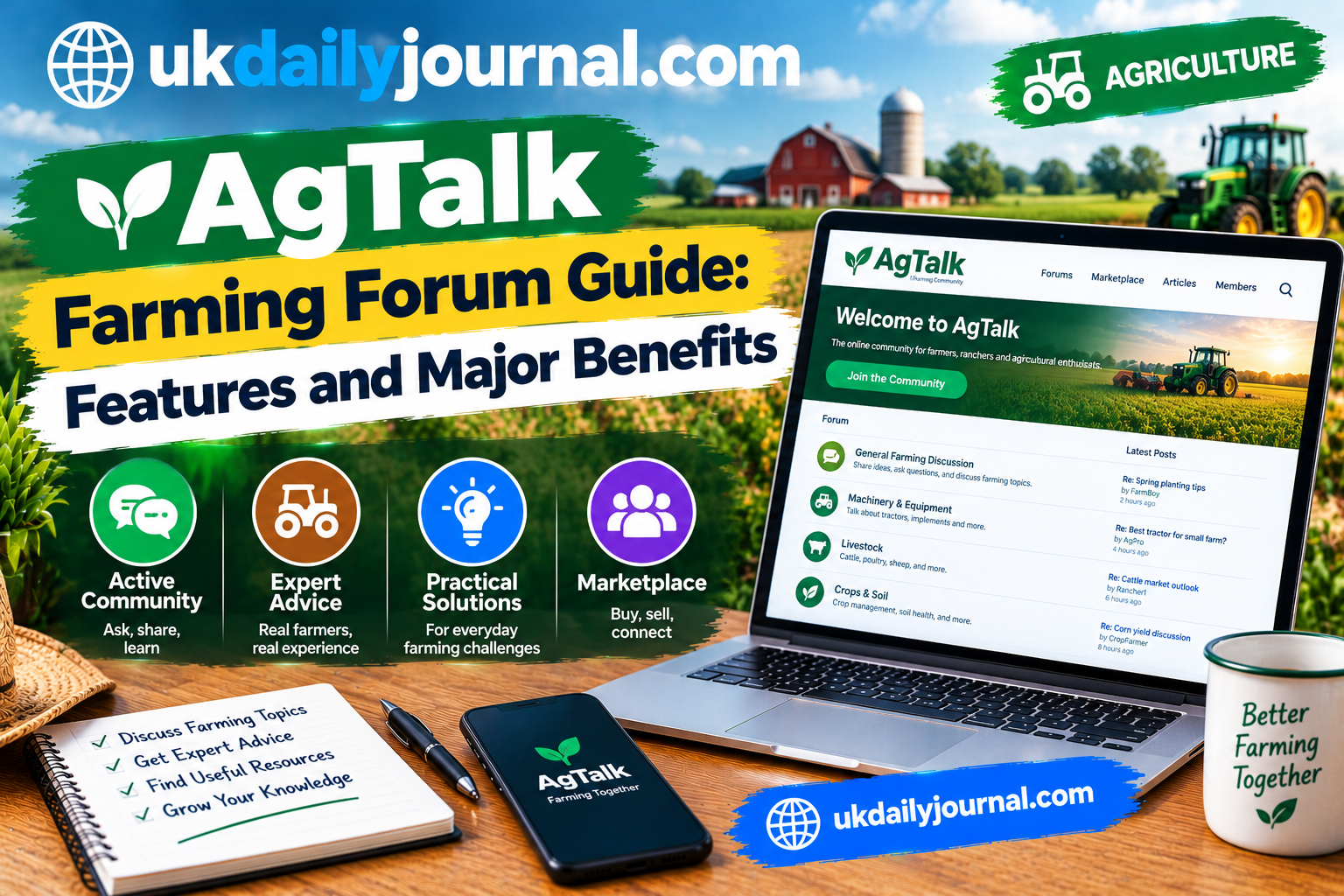
A tractor breaks down in the middle of harvest. The dealer cannot send a part for two weeks. So the farmer opens a laptop and types the problem into AgTalk. Within hours, strangers from three states reply with fixes, part numbers, and warnings. This is the kind of help that made the AgTalk farming forum famous. This AgTalk guide explains what the forum is, how AgTalk works, and which AgTalk features matter most. It also shows where the forum falls short, so you can use it with care.
So, what is AgTalk? It is an online forum built for people who work in agriculture. Farmers, ranchers, growers, and machinery owners post questions and share answers there. The site is often called NewAgTalk, and its address is talk.newagtalk.com. It works as a farmers discussion platform and a digital meeting place for the rural community.
The forum is free to read, so it acts as an open-access agricultural forum. Visitors can browse public threads without paying a fee. Members can then register to post. The topics cover machinery, crops, markets, livestock, and daily rural life. Here are the basic facts at a glance.
| Quick Fact | Detail |
|---|---|
| Name | AgTalk (also called NewAgTalk) |
| Type | Online farming community and discussion boards |
| Website | talk.newagtalk.com |
| Main sections | Machinery Talk, Crop Talk, Market Talk, Precision Talk, Stock Talk |
| Other areas | AgTalk Café, classifieds, a store |
| Cost to read | Free public threads |
The forum has a humble start. A 2010 Farm Progress report said it began with a small personal investment of about $500. The founders wanted a noncommercial space run by farmers for farmers. Agricultural magazines and early web pioneers had already launched farm forums in the 1990s. AgTalk joined that wave and grew into a busy agricultural community.
The design still looks plain today. There are no flashy menus or autoplay videos. Instead, you see lists of forum sections and long threads. That simple look is a strength. Farmers often read on a phone in a truck cab, so fast pages matter more than polish. The same Farm Progress report counted over 14,000 registered users in 2010. That number is old, but it shows how early the forum found its audience.
The forum uses a classic thread layout. Each forum section covers one topic. Inside a section, members start threads and others reply. Threads stay in order, so you can follow a long debate from the first post to the last. Some threads run for pages. Others end after a single answer.
Farmers use the site for farmer-to-farmer advice that sellers and brochures rarely give. A salesperson wants to close a deal. A fellow grower only wants to share what worked. That is why peer-to-peer advice carries weight here. Members also like the speed. Because the forum runs all day, 24/7 farming discussions never stop. A farmer in Iowa can post at midnight and read answers by breakfast.
Crop Talk is the section for crops and cropping practices. Members start crop discussions about seed choice, planting dates, fertilizer rates, weed control, and soil health. Many threads read like a field walk. One farmer describes a problem patch. Others ask about the hybrid, the weather, and the spray history. Then the replies come in.
These crop management discussions give new growers a fast start. Experienced growers also use them to test fresh ideas before they spend money. A thread about corn on corn, for example, can show yield results from many farms. The advice comes from real field experiences, not textbook charts. Still, every field differs, so smart members adjust any tip to their own soil and climate. In this way, Crop Talk works as a living farming knowledge base for crop production advice.
Market Talk focuses on the money side of farming. Members discuss grain markets, commodity prices, input costs, and storage choices. They share views on when to sell, when to hold, and how to read a weak or strong market. These commodity price discussions help growers think through risk before they act.
Market Talk does not replace a broker or a financial adviser. However, it offers useful farm market insights from people who face the same price swings. One member may post local basis levels. Another may explain a hedging plan. Together, these posts give agribusiness professionals and small growers a wider view of the market. Many members also compare notes on rising input costs. Those talks support better agricultural decision-making at the kitchen table.
Precision Talk covers precision agriculture and the tools behind it. Members discuss GPS steering, yield monitors, drones, variable-rate seeding, and farm software. Newer gear costs a lot, so growers want honest reviews before they buy. This section gives them a place to ask hard questions about ag-tech.
The posts mix excitement with caution. One member may praise a precision farming technology upgrade. Another may share a bad experience with poor support or buggy software. Both views help. Rural technology enthusiasts also swap setup tips, calibration steps, and fixes for common errors. As a result, Precision Talk acts as a simple guide to agricultural technology and modern agriculture. It helps farmers judge new tools by results, not by sales pitches.
For many members, Machinery Talk is the busiest corner of the site. It covers farm machinery of every age, from old classics to new combines. Owners post a symptom and ask for help. Other owners reply with checklists, repair steps, and warnings. This kind of equipment troubleshooting can save a farmer days of lost work and a large repair bill.
The forum also helps people find parts that dealers no longer stock. A separate area lets members look for salvage yards, parts, and equipment. Useful topics include:
Because members know old iron well, one reply can point you to the right part number. These equipment discussions turn the forum into a trusted tool for machinery owners.
Stock Talk serves livestock producers. Cattle, hogs, sheep, goats, and poultry all come up in the threads. Members ask about feed, breeding, calving, fencing, handling, and herd health. These livestock farming talks mix hard facts with plain stories from the barn. Animal husbandry discussions also appear when weather, disease, or prices shift.
Good livestock management depends on timing, and a quick reply can matter. A rancher with a sick calf may post at night and get ideas within the hour. Still, a forum cannot replace a vet. Smart members use the advice to ask better questions at the clinic. The section also reaches beyond animals. Farm life conversations about weather, family, and rural lifestyle discussions fill the AgTalk Café, which is described as a polite place to meet and talk. Rural life feels less lonely when others share it.
The classifieds work like a farm bulletin board. Members use agricultural classifieds to buy and sell farm equipment, trailers, parts, and sometimes land or livestock. Because the forum runs as a farm equipment marketplace, buyers and sellers often already know each other from posts. A seller with years of posting history earns trust more easily than a stranger.
Buyers should still stay careful. Ask for photos, serial numbers, and service records. Meet in person when you can, and never send money to someone you cannot verify. The forum does not guarantee any deal. The AgTalk Store is a smaller feature. It was added after members asked for it. Check the store page for current items, since offers can change.
AgTalk is about more than equipment and prices. It is a farming community built on trust, humor, and shared work. Members trade farmer experiences and stories about bumper crops, failed crops, and small wins. They also post pictures from their fields. This farm life content builds bonds that sales pages cannot copy.
The community also helps in hard times. The 2010 Farm Progress report noted that members had started to meet face to face and to help others in need. That spirit still defines the forum. Farming can feel isolating, so a farmer support network matters. People who face drought, debt, or loss often find kind words there. Together, these ties support farmer networking and agricultural networking across borders. This makes AgTalk a true worldwide farming community.
Many questions already have answers. Search the forum first, or use a web search with the site name added. Old threads are often rich with details. A thread from years ago can still explain a repair that never changes. Then read the replies in full. The best tip may sit on page three.
Detail gets better replies. Share your crop, soil type, machine model, and what you already tried. Add photos when you can. Keep the title short and specific.
Then thank the people who help. A short follow-up that explains what finally worked helps the next reader too.
No, you cannot. Any open forum holds good advice and bad advice. Members range from veteran growers to hobby farmers. Some posts rest on years of work, while others repeat guesses. Opinions also clash, and a few threads drift off topic.
You can judge advice with a few simple checks. Look at the poster’s history. Check whether several members agree. Compare the tip with product labels, manuals, and local extension advice. For chemicals, always follow the label. For animal health, call a vet. For big money choices, talk to a trusted adviser. This habit keeps real-world farming advice useful and safe. Old threads follow the same rule. They can hold gold, but rules, prices, and products change, so check the date first.
The forum offers real strengths, but it also has limits. A quick look at both helps you set the right expectations.
| Benefits | Limitations |
|---|---|
| Free, open threads on most topics | Advice quality varies by poster |
| Fast replies from real operators | Old threads can be out of date |
| Strong machinery and parts knowledge | Search tools feel basic |
| Wide mix of crops, livestock, and markets | Some threads drift off topic |
| Friendly farming community connection | No expert guarantee on any answer |
These points show why the forum works best as one source among many. It adds practical farming insights to your own research. It does not replace professionals.
Social media feeds move fast and bury old posts. AgTalk keeps topic-based discussion rooms in order, so threads stay easy to find. Facebook groups can also mix farm talk with ads and random posts. Forum sections keep the focus tight. Traditional advice, such as a neighbor, a dealer, or an extension office, still matters. Yet the forum adds many voices from many regions in one place.
Is the forum still useful today? Recent forum pages showed posts dated in 2025, though activity can change, so check the live site. It suits farmers, ranchers, agricultural professionals, and farming enthusiasts. It also helps students and part-time growers. In short, anyone who wants farmer advice from real people can gain from it.
AgTalk has lasted because it solves real problems in plain words. It gives farmers a place to ask farming questions, share farming solutions, and compare notes without pressure. The sections for crops, markets, machinery, technology, and livestock cover most daily needs. The classifieds add a practical marketplace. The community adds warmth and support.
Use the forum with care. Search first, ask clear questions, and test every tip against labels, manuals, and trusted experts. When you do that, this complete guide to AgTalk shows you the best path: treat it as a rich source of farming resources and agricultural insights, and let your own judgment make the final call.
AgTalk is a free online farming forum where farmers, ranchers, and growers discuss machinery, crops, markets, technology, and livestock. It is also known as NewAgTalk.
Recent forum pages showed posts dated in 2025. Activity can change, so visit the live site and check the latest thread dates.
Machinery Talk is the section for farm equipment. Members ask for repair help, share reviews, discuss maintenance, and look for hard-to-find parts.
Yes, members can list gear in the classifieds. However, the forum does not guarantee any sale, so verify each seller and inspect the machine.
No. Advice comes from many members with different skills. Check tips against labels, manuals, vets, and local experts before you act.




