Physical Address
304 North Cardinal St.
Dorchester Center, MA 02124
Physical Address
304 North Cardinal St.
Dorchester Center, MA 02124

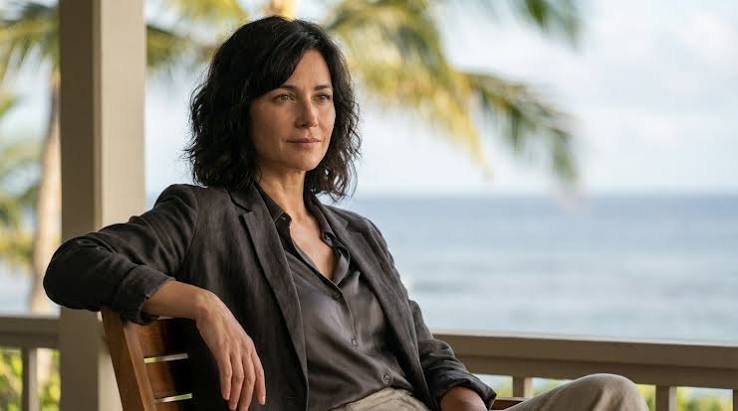
Chandi Heffner is a name tied forever to one of America’s strangest family stories. She was born Charlene Gail Heffner, and she later became known to the world as the adopted daughter of tobacco heiress Doris Duke. Her story is not a simple rags-to-riches tale. It is a mix of spirituality, sudden wealth, a bitter legal battle, and a quiet return to a private life. Duke was once called the richest girl in the world. She chose Chandi as her adult daughter in 1988, and that single decision changed both women’s lives forever. What followed was years of closeness, then years of conflict, then a court fight that made headlines across the country. Today, Chandi Heffner lives far from that noise. She runs small charitable foundations, cares for animals, and rarely speaks to the press. This article walks through her full life, using verified facts from court records and major news outlets, not gossip.
| Detail | Information |
|---|---|
| Full Birth Name | Charlene Gail Heffner |
| Known As | Chandi Heffner, Chandi Duke Heffner |
| Date of Birth | August 26, 1953 |
| Birthplace | Baltimore, Maryland |
| Parents | William J. Heffner and Barbara “Bunny” Heffner |
| Siblings | Claudia Heffner Peltz, Holly McCloskey |
| Education | Notre Dame Prep, Towson, Maryland |
| Adoptive Mother | Doris Duke (adopted her in 1988) |
| Adoption Status | Revoked by Doris Duke in 1991 |
| Known For | Adult adoption by Doris Duke, estate dispute, animal welfare work |
| Settlement | $65 million, paid in 1995–1996 |
| Current Residence | Hawaii |
| Occupation | American philanthropist, foundation president |
Chandi Heffner grew up far from the world of billion-dollar estates. She was born in Baltimore, Maryland, to William and Barbara Heffner, a working, middle-class family based in the upper-middle-class suburb of Towson. Her father served in the Army, and her mother raised the children in a home built on Catholic values and discipline. Chandi attended Notre Dame Prep, a private Catholic girls school known for strict academics and a close community. She grew up alongside her younger sister Claudia, who later became a well-known model and the wife of billionaire investor Nelson Peltz.
As a teenager, Chandi showed an early love for dance and movement. She was drawn to performance from a young age, and this interest stayed with her into adulthood. Friends from her school years describe her as curious and independent, someone who asked bigger questions than most of her classmates. That curiosity would soon take her far from Baltimore, both physically and spiritually.
In her twenties, Chandi left her Catholic upbringing behind and joined the Hare Krishna movement. This was a major turning point in her life. Within the movement, she took on a new spiritual identity and eventually adopted the name Chandi, a Sanskrit name tied to female energy and inner strength. Some who knew her at the time describe her as a flower child of her generation, someone searching for meaning outside a traditional career path. She worked as a belly dancer during part of this period, using dance as both income and personal expression. This spiritual journey shaped the woman who would soon walk into Doris Duke’s life.
The meeting between Chandi Heffner and Doris Duke happened in Hawaii in the early 1980s. Reports vary slightly on the exact setting, but most accounts place their introduction near a dance class or through mutual friends connected to Duke’s Honolulu circle. At the time, Chandi was recovering from a knee injury, and Duke invited her to rest and heal at her famous Hawaii estate, Shangri-La. Duke was known for pulling interesting people into her orbit, and Chandi’s warmth and spiritual outlook caught her attention quickly.
Their bond grew fast. Duke was in her seventies by then, lonely, twice divorced, and grieving the loss of her only biological child decades earlier. Chandi offered something Duke had not had in years — steady company and a sense of family. Within a short time, the two were traveling together and spending long stretches at Duke’s properties. What started as a friendship soon turned into something far more permanent.
To understand Chandi’s story, it helps to understand Doris Duke first. She was the only child of James Buchanan Duke, the founder of the American Tobacco Company and Duke Energy. When her father died in 1925, Doris inherited a fortune worth well over $100 million, an almost unheard-of sum at the time. Newspapers called her the “richest girl in the world,” a label she carried for the rest of her life.
Despite her wealth, Doris Duke’s personal life was marked by loss. She married twice and divorced twice. She had one daughter, who died shortly after birth, and she never had another biological child. Duke spent much of her adult life as a serious philanthropist, an art collector, and a private figure who avoided the spotlight when she could. By the time she met Chandi Heffner, Duke was searching for something money could not buy on its own — a real family connection in her final years.
In 1988, Doris Duke made a decision that stunned her lawyers, staff, and social circle. She legally adopted Chandi Heffner as her adult daughter. Chandi was 35 years old at the time, and adult adoption between two grown women was almost unheard of in high society. Duke reportedly believed Chandi was connected, in a spiritual sense, to the daughter she had lost so many years before. For Duke, this was not just paperwork. It was a way to formalize a mother-daughter bond she felt deeply.
The adoption instantly made Chandi Heffner one of the most talked-about women in American wealth circles. Key facts about the adoption include:
This single event turned a former Hare Krishna devotee from Baltimore into a woman connected to a fortune worth more than a billion dollars.
After the adoption, Chandi Heffner moved into Shangri-La, Duke’s Hawaii mansion built with Islamic-inspired architecture and filled with rare art. Life there was rich and unusual. Chandi traveled with Duke to her other properties, including homes in New Jersey and Beverly Hills. She joined Duke at social events, took part in her philanthropic work, and became a constant presence at her side.
For a while, the two women seemed truly close. Duke treated Chandi as a genuine daughter and spiritual companion, not simply a paid companion or assistant. She gave her gifts, financial support, and access to a world most people only read about. However, staff members who worked in the household during this period later described tension building behind the scenes. Some butlers and household staff reportedly struggled with Chandi’s growing authority in the home, and small disagreements slowly turned into larger conflicts. What began as warmth started showing cracks by the late 1980s.
By early 1991, the relationship between Chandi Heffner and Doris Duke had broken down completely. Reports from people close to Duke describe a woman who felt her new daughter had become demanding and controlling within the household. Staff loyalty shifted, and disagreements about money, lifestyle, and control of the household grew more frequent. Duke, according to those close to her, felt Chandi’s loyalty had split between her adoptive mother and her own interests.
In February 1991, Duke instructed her lawyer to formally cut ties with Chandi. The two women reportedly never saw each other again after this point. Duke moved to revoke the adoption and removed Chandi from her will entirely. This left Chandi Heffner in an unusual legal position: she had once been Doris Duke’s legal daughter, but that status had now been stripped away, setting up a major legal battle that would not begin until after Duke’s death two years later.
Doris Duke died on October 28, 1993, just weeks before her 81st birthday. Her estate was valued at approximately $1.2 billion, making it one of the largest and most contested private fortunes in American history. Duke’s final will left almost everything to charity through a new organization, the Doris Duke Charitable Foundation, and named her longtime butler as a co-executor of her affairs.
Chandi Heffner, though legally removed from the will, did not simply walk away. She filed a breach of contract lawsuit, arguing that Duke had promised to support her for life and that this promise had been broken unfairly. The case moved through the Los Angeles Superior Court, drawing national media attention. Chandi’s legal team argued that outside influence, not Duke’s own wishes, had led to her being cut out of the fortune.
Much of the controversy centered on Bernard Lafferty, Duke’s Irish-born butler. Duke named him executor of her estate just months before she died, a decision many questioned given his limited financial experience. Critics claimed Lafferty held undue influence over Duke during her final, more vulnerable years, and some believed his role in changing her will deserved closer scrutiny. Lafferty faced his own separate legal fights over how he managed estate funds, and he was eventually removed as executor as part of a broader settlement. He died in 1996, just a few years after Duke herself.
After more than two years of legal battles, the fight over Doris Duke’s estate finally reached a resolution. In a settlement signed in late 1995, Chandi Duke Heffner agreed to drop all claims to the $1.2 billion estate in exchange for a $65 million payment. This out-of-court settlement also closed her breach of contract lawsuit, ending years of court filings and public speculation.
The table below breaks down how some of the key settlement figures compared:
| Party | Outcome |
|---|---|
| Chandi Duke Heffner | Received $65 million; dropped all estate claims |
| Bernard Lafferty | Received $4.5 million plus a $500,000 yearly bequest; removed as executor |
| Doris Duke Charitable Foundation | Received the majority of the $1.2 billion estate |
| Household staff and dogs | Smaller trust funds set aside in the will |
Adjusted for inflation, that $65 million settlement is worth well over $120 million in today’s dollars. It gave Chandi lifelong financial security and closed one of the most publicized inheritance disputes of the 1990s.
Chandi Heffner’s current net worth is estimated at around $20 million, built largely on what remained after taxes, legal fees, and years of quiet living from her original settlement. She has not sought public business ventures or media deals since the case closed. Instead, she has used her financial security to fund charitable projects rather than grow a personal business empire. Compared to the billions once tied to the Duke estate, her current wealth reflects a woman who chose stability and privacy over headlines.
This is one of the most common questions people search when they come across her name. Chandi Heffner has no connection to Hugh Hefner or the Playboy brand. The similarity is only in spelling, and the two surnames are pronounced differently. Hugh Hefner built Playboy magazine and became a well-known figure in American pop culture, while Chandi Heffner’s fame comes entirely from her adoption by Doris Duke and the legal battle that followed. Many people confuse the names online, but there is no family link between the two at all.
Chandi Heffner’s younger sister, Claudia Heffner Peltz, took a very different path in life. Claudia became a successful fashion model before marrying billionaire investor Nelson Peltz in 1985. Together they raised eight children, including actress Nicola Peltz, who married Brooklyn Beckham, the eldest son of David and Victoria Beckham, in 2022. This means Chandi Heffner is technically an aunt to Nicola Peltz and, by marriage, connected to the extended Beckham family.
Unlike her sister, Chandi has stayed far from the spotlight for most of her adult life. While Claudia built a public profile through modeling, business, and her family’s high-profile events, Chandi chose a quieter path centered on animal care and small-scale charity work. The two sisters came from the same Baltimore household but ended up living very different kinds of lives.
After settling her legal claims, Chandi Heffner turned her attention toward charitable work. She serves as founder and president of two connected organizations: CDHIF USA and CDHIFI India. These foundations focus on humanitarian relief and animal welfare, with reported programs supporting tens of thousands of people and animals through medical and rescue efforts in India each year.
Her charity work reflects a few consistent priorities:
Chandi Heffner is often described as a quiet philanthropist, someone who prefers hands-on animal care over public charity galas. Her work stands in contrast to the flashy inheritance battle that made her famous decades earlier.
Chandi Heffner is a longtime Hawaii resident, reportedly living near Waimea, where she manages her animal rescue sanctuary and horse farm. She has been active in equestrian activities for years, including polo and horse jumping circles, and she has owned and cared for competition horses as part of her private life. Her current marital status is reported as divorced, and she has largely stayed out of new relationships that draw public attention. She occasionally kept close friendships from her earlier years, including a reported bond with entertainer Paul Reubens, best known as Pee-wee Herman, though details of that friendship remain mostly private. Today, Chandi Heffner leads a private life focused on her foundation work, her animals, and the quiet Hawaii community she calls home.
Chandi Heffner’s life reads like very few others. She went from a modest Catholic upbringing in Baltimore, through a spiritual journey with the Hare Krishna movement, into the extraordinary world of one of America’s richest women. Her adult adoption by Doris Duke, the sudden fallout, and the $65 million settlement that followed made her a permanent part of American inheritance law history. What stands out most, though, is what came after the courtroom drama ended. Chandi chose animals, foundation work, and a private Hawaii life over public wealth or fame. Her story remains a reminder that even the biggest headlines eventually give way to a quieter, more personal chapter.
1. Who is Chandi Heffner? Chandi Heffner, born Charlene Gail Heffner, is best known as the adopted daughter of tobacco heiress Doris Duke. She later became involved in a major inheritance dispute after Duke’s death in 1993.
2. Why did Doris Duke adopt Chandi Heffner? Doris Duke adopted Chandi as her adult daughter in 1988, reportedly believing Chandi shared a spiritual connection to the daughter she had lost many years earlier.
3. How much did Chandi Heffner receive in the settlement? Chandi Heffner received $65 million in a 1995 out-of-court settlement, in exchange for dropping her legal claims against the Doris Duke estate.
4. Is Chandi Heffner related to Hugh Hefner? No. Chandi Heffner has no family connection to Hugh Hefner or Playboy. The similar-sounding surnames have led to confusion online, but the two names are unrelated.
5. What does Chandi Heffner do now? Chandi Heffner lives quietly in Hawaii, where she runs animal welfare and humanitarian foundations, CDHIF USA and CDHIFI India, and manages a private horse farm and rescue sanctuary.