Physical Address
304 North Cardinal St.
Dorchester Center, MA 02124
Physical Address
304 North Cardinal St.
Dorchester Center, MA 02124

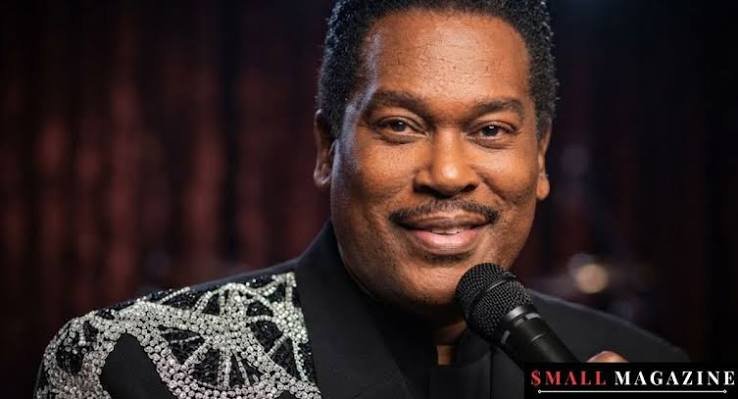
Charles Anthony Vandross was the eldest child of the Vandross family. He grew up in Manhattan, New York, in a household filled with music. His younger brother, Luther Vandross, went on to become one of the most loved R&B singers of his time. Charles, however, chose a different path. He stayed away from cameras and stages. Most fans know very little about him. This article looks at his life, his family, and his quiet part in the Vandross story.
| Field | Details |
|---|
| Full Name | Charles Anthony Vandross |
| Born | February 7, 1947 |
| Birthplace | Manhattan, New York City, USA |
| Died | April 30, 1991 |
| Age at Death | 44 |
| Nationality | American |
| Siblings | Luther Vandross, Patricia Vandross, Ann Vandross |
| Famous For | Being the older brother of R&B singer Luther Vandross |
| Profession | Not reliably documented publicly |
| Music Career | No authoritative evidence confirms a professional music career |
| Children | Public records reportedly identify a daughter, Tonia Lazz Vandross |
| Cause of Death | Reported as complications related to diabetes; primary medical documentation is not publicly available |
| Public Profile | Lived largely outside the spotlight |
Charles Anthony Vandross was born and raised in Manhattan, New York. The city was buzzing with music during this period. Soul, gospel, and early R&B sounds filled the streets and radio stations. Charles grew up surrounded by these sounds every single day. His home was not just a house. It was a small hub of rhythm and voice.
He was the oldest child in the family. This gave him a special place among his siblings. Older children often become guides for younger ones. Charles played this role for his brother and sisters. He watched over them and helped shape their early years.
The Vandross family had five members in the immediate household. Each person added something unique to the family story. The table below gives a quick look at the family.
| Family Member | Relationship | Known For |
|---|---|---|
| Luther Vandross Sr. | Father | Upholsterer, singer in local groups |
| Mary Ida Shields Vandross | Mother | Nurse, family caregiver |
| Charles Anthony Vandross | Eldest son | Private life, family support |
| Patricia Marie Vandross Joyner | Sister | Part of the Vandross family circle |
| Ann D. Vandross Sanders | Sister | Part of the Vandross family circle |
| Luther Vandross | Youngest son | Grammy-winning R&B singer |
This table shows how the Vandross family legacy was built by many hands, not just one famous voice.
Charles Anthony Vandross’s parents shaped the family in strong ways. Luther Vandross Sr. worked as an upholsterer. He also sang with local groups around New York. Music was part of his daily life, and he passed this love down to his children.
Mary Ida Shields Vandross worked as a nurse. She held the family together through hard times. Her steady presence gave the children a sense of safety. Together, these two parents built a home where music and discipline lived side by side.
The 1950s were a rich period for African American music in New York. Gospel choirs filled churches every Sunday. Soul music played on home radios. Doo-wop groups formed on street corners. Charles Anthony Vandross grew up right in the middle of this scene.
This kind of environment shaped young minds in powerful ways. Children who grew up near music often carried that rhythm with them for life. Charles absorbed these sounds early. Even if he never took the stage himself, this musical foundation stayed with him.
Being the eldest sibling comes with quiet duties. Charles Anthony Vandross likely took on some of these duties early. Older children in large families often step into small parental roles. They watch younger kids. They set examples. They offer emotional support during hard days.
This role becomes even more important during loss. In 1959, Luther Vandross Sr. passed away. Luther Vandross was only eight years old at the time. This loss hit the whole family hard. As the eldest son, Charles likely felt pressure to support his mother and younger siblings during this painful chapter.
Many children in music-loving families join youth theater or community shows. These early stages help build confidence. Singing in front of a small crowd feels very different from singing at home. It builds nerve, rhythm, and stage presence.
The Vandross children grew up around this kind of childhood stage experience. Family gatherings often turned into small performances. Aunts, uncles, and cousins would clap along as the kids sang together. This kind of early artistic collaboration created strong bonds between siblings.
Gospel and soul music played a big part in shaping the Vandross household. Sunday church visits brought choir singing into their weekly routine. These sessions taught vocal harmony without any formal training. Kids picked up rhythm just by listening and joining in.
Some key influences in the Vandross home included:
This mix gave every child in the family, including Charles, a strong sense of musical heritage.
Luther Vandross often spoke about his family’s support during his rise to fame. His sisters sang in a group before him. His mother encouraged his talent. Charles, as the eldest brother, likely added his own form of quiet guidance.
Family musical collaboration was common in the Vandross household. Even without a public singing career, Charles could have offered emotional support and honest feedback as Luther practiced and performed. This kind of behind-the-scenes influence rarely makes headlines, but it shapes an artist just as much as formal training does.
Luther Vandross’s first real taste of group performance came through the Listen My Brother ensemble. This youth vocal group formed in Harlem during the late 1960s. It gave young Black singers a place to grow and perform together.
The group even appeared on early episodes of Sesame Street. This was a big moment for a group of young, mostly unknown singers. It marked the start of Luther’s public musical journey. Family support during this period, including from his older brother, gave him the confidence to keep going.
Not every family member wants fame. Some prefer to work quietly in the background. Charles Anthony Vandross appears to be one of these people. He chose privacy over public attention.
This kind of choice is common among siblings of famous people. Being the sibling of an R&B singer means constant comparison and public curiosity. Many choose to step back instead. Charles seems to have picked a modest and discreet lifestyle, letting Luther shine while he stayed out of view.
Charles Anthony Vandross lived a private lifestyle throughout his life. There are very few public records, interviews, or photos connected to him. This is not unusual for non-public figures who happen to share a last name with a star.
A few reasons often explain this kind of privacy:
This balance of private life and public curiosity is common among families of famous artists. Fans want to know more, but family members often prefer peace over publicity.
The Vandross family faced real hardship. Losing a father at a young age changes a household forever. Yet the family showed strong resilience. Mary Ida Shields Vandross kept the home stable. The children leaned on each other for strength.
This family resilience became part of the larger Vandross family legacy. Luther often credited his upbringing for his work ethic and his warm stage presence. Charles, as the eldest child, played a silent part in building that same strength within the household.
Luther Vandross passed away in 2005 after health struggles. His music and awards remain part of American R&B history. For the surviving family members, including Charles Anthony Vandross, life continued away from the public stage.
Preserving musical legacy became part of the family’s story after Luther’s death. Fans continue to search for details about his siblings, hoping to learn more about the people who shaped his early years. Charles remains one of the least documented members of this well-known family.
Not every important figure in music history stands in the spotlight. Some people build the foundation that lets others rise. Charles Anthony Vandross represents this kind of quiet contribution. He may not have released records or won awards, but his presence in the Vandross household played a part in shaping one of music’s greatest voices.
Stories like his remind fans that family guidance in music matters just as much as talent. Behind every famous singer stands a circle of people who offered discipline, love, and everyday support. Charles fits into this group of unsung heroes in music history.
Charles Anthony Vandross may never have chased fame, but his life connects closely to one of R&B’s biggest stars. As the eldest brother in the Vandross family, he likely offered quiet strength during hard times and steady support during Luther’s rise. His private lifestyle shows that not everyone in a famous family wants the spotlight. Charles Anthony Vandross stands as a reminder that family support often works best behind the curtain, shaping legends without ever asking for credit.
1. Who was Charles Anthony Vandross? Charles Anthony Vandross was the eldest sibling of R&B singer Luther Vandross, born into a music-loving family in Manhattan, New York.
2. Was Charles Anthony Vandross a singer? There is no public record of a solo music career for Charles. He appears to have lived a private life away from the stage.
3. How many siblings did Luther Vandross have? Luther Vandross had three siblings: his brother Charles Anthony Vandross and his sisters Patricia Marie Vandross Joyner and Ann D. Vandross Sanders.
4. Why is there so little information about Charles Anthony Vandross? Charles kept a private lifestyle and avoided public attention, which is common for family members of famous artists.
5. Did Charles Anthony Vandross support Luther Vandross’s career? As the eldest brother, Charles likely offered emotional support and quiet guidance during Luther’s early musical journey, though details remain private.